
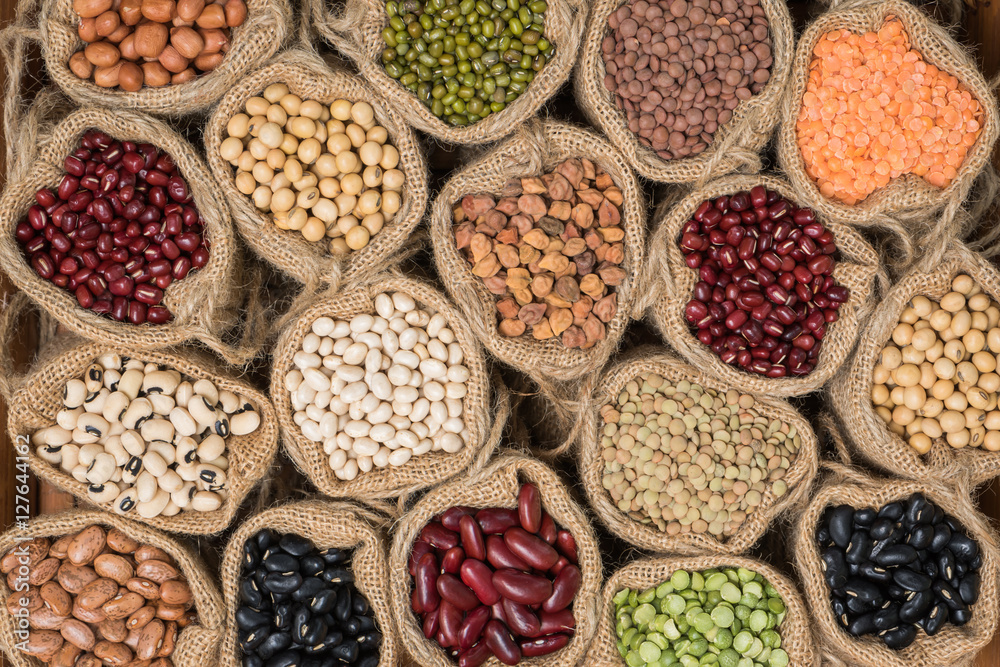
The Power of Indian Legumes: How to Incorporate Lentils and Beans in Your Diet
Hello, I’m Preet! If you’re looking for an easy and delicious way to boost your protein intake, improve digestion, and promote overall health, look no further than Indian legumes. Lentils, beans, and other legumes are nutritional powerhouses that have been a staple of Indian cuisine for centuries. Whether you’re vegan, vegetarian, or simply looking to add more plant-based meals to your diet, legumes are the perfect addition to any meal.
In this blog, I’ll explore the many health benefits of Indian lentils and beans, and share tips on how you can easily incorporate them into your meals. Let’s dive into the world of Indian legumes!
- Nutritional Benefits of Indian Legumes
Lentils and beans, commonly used in Indian cooking, are packed with essential nutrients. They are a rich source of plant-based protein, fiber, and various vitamins and minerals, making them perfect for a healthy diet.
Health benefits of Indian legumes:
- High in protein: Lentils and beans are excellent sources of plant-based protein, which is essential for muscle growth, tissue repair, and immune function.
- Packed with fiber: The high fiber content aids in digestion, regulates blood sugar levels, and supports heart health.
- Rich in vitamins and minerals: Legumes provide essential vitamins such as folate, iron, and B-vitamins, along with minerals like magnesium and potassium.
Popular Indian legumes include:
- Moong dal (yellow lentils)
- Toor dal (pigeon peas)
- Chana dal (split chickpeas)
- Rajma (kidney beans)
- Lobia (black-eyed peas)
- Masoor dal (red lentils)
- Easy Ways to Incorporate Indian Lentils and Beans into Your Diet
Whether you’re new to legumes or already love them, here are some simple and delicious ways to add lentils and beans into your meals:
- Delicious Dal (Lentil Curry)
Dal is a comfort food in Indian households, and there are endless varieties to try. Moong dal, toor dal, and masoor dal are some of the most commonly used lentils in Indian cooking. Dal is easy to prepare, nutritious, and can be paired with rice or roti for a complete meal.
How to make it:
- Cook lentils with water and spices like turmeric, cumin, and coriander.
- Prepare a tempering (tadka) with ghee, garlic, cumin, and mustard seeds.
- Add the tadka to the cooked dal and let it simmer for a few minutes.
- Rajma (Kidney Beans) Curry
Rajma is a popular North Indian dish made with kidney beans simmered in a rich, spiced tomato gravy. It’s an excellent source of plant-based protein and fiber.
How to make it:
- Soak dried rajma overnight.
- Cook the beans in a pressure cooker with onions, tomatoes, garlic, ginger, and spices like garam masala, cumin, and coriander.
- Serve with steamed rice or chapati.
- Add Beans to Your Salad
Add cooked beans like chickpeas, kidney beans, or black-eyed peas to your salad for an extra protein boost. Mix them with fresh vegetables, leafy greens, and a tangy dressing to create a wholesome, nutritious meal.
How to make it:
- Toss cooked chickpeas or kidney beans with cucumber, tomatoes, red onions, cilantro, and lemon juice.
- For added flavor, sprinkle some chaat masala and cumin powder.
- Bean-based Wraps or Burritos
If you’re looking for a quick, on-the-go meal, try making a bean-based wrap or burrito. Use black beans, chickpeas, or rajma as your base and fill it with your favorite veggies, avocado, and a light yogurt dressing.
How to make it:
- Fill a whole wheat wrap with cooked beans, lettuce, shredded carrots, cucumber, and a sprinkle of your favorite spices.
- Roll it up and enjoy a healthy, protein-packed meal.
- The Health Benefits of Regularly Eating Lentils and Beans
Incorporating lentils and beans into your diet on a regular basis can lead to long-term health benefits. Here are some of the most notable advantages:
- Supports Heart Health
Legumes like lentils and beans are high in soluble fiber, which helps lower LDL (bad) cholesterol levels. The antioxidants and anti-inflammatory properties of these legumes also contribute to a healthy heart. - Promotes Digestive Health
The fiber content in lentils and beans supports healthy digestion by promoting regular bowel movements, preventing constipation, and maintaining gut health. - Regulates Blood Sugar Levels
Lentils and beans have a low glycemic index, meaning they release sugar into the bloodstream slowly. This helps in regulating blood sugar levels, making them an excellent choice for people with diabetes.
Key Takeaways
Indian legumes are not just a delicious addition to your meals—they are also packed with essential nutrients, fiber, and protein that support overall health. Incorporating lentils and beans into your daily meals can help improve heart health, regulate blood sugar, and boost digestion.
From dal to rajma and bean-based salads, there are endless ways to enjoy these power-packed foods. Start adding them to your meals today, and let your body experience the amazing benefits of Indian legumes.
What’s your favorite way to enjoy lentils and beans? Let me know in the comments or feel free to email me about how you incorporate them into your diet! By making small, flavorful changes, you can enjoy a healthier and more balanced diet.