
Why You Should Avoid Eating Raw Oats and How to Prepare Them for Maximum Health Benefits
Oats are a nutritional powerhouse, packed with fiber, vitamins, minerals, and antioxidants. They are widely loved for their versatility—whether in oatmeal, smoothies, energy bars, or baked goods. However, in their raw state, oats might not provide the health benefits we expect. While raw oats are often touted as a quick, easy meal, consuming them without proper preparation can actually be detrimental to your digestion and overall health. In this blog, we’ll explore why raw oats are not ideal for consumption and how you can best prepare them to maximize their benefits.
Why Raw Oats Are Not Ideal for Consumption
While raw oats may seem convenient, they come with a few downsides that can hinder their nutritional benefits and digestive ease:
- Presence of Phytic Acid
Raw oats contain phytic acid, an “anti-nutrient” found in many grains and seeds. Phytic acid can bind to minerals like zinc, iron, and calcium in your digestive tract, making them harder for your body to absorb. This means that eating raw oats without soaking or cooking can limit the amount of vital minerals your body can access.
How Cooking Helps: When you cook oats, you break down the phytic acid, making the minerals in oats more bioavailable. This allows your body to absorb more of the essential nutrients oats provide.
- Difficult to Digest
Raw oats are much harder for your body to digest compared to their cooked counterparts. Their tough outer layer (the hull) can be difficult to break down, making it challenging for your digestive system to fully process the oats. This can lead to bloating, gas, and discomfort, especially for those with sensitive stomachs.
How Cooking Helps: Cooking oats softens their texture and makes them much easier to digest. This process also breaks down the starches, allowing your digestive enzymes to work more efficiently, so you can enjoy all the benefits without discomfort.
- Lower Nutrient Absorption
As mentioned, raw oats contain certain compounds that inhibit the absorption of essential nutrients. These compounds can prevent your body from fully absorbing the fiber, vitamins, and minerals that make oats so nutritious.
How Cooking Helps: When oats are cooked, the breakdown of antinutrients like phytic acid allows your body to absorb the nutrients more efficiently. You’ll get more fiber, better blood sugar control, and enhanced digestive benefits by properly preparing your oats.
Health Benefits of Cooking Oats
- Improved Digestion and Gut Health
Cooking oats activates enzymes that make them easier to digest. Cooked oats become soft and gentle on your stomach, promoting better gut health. This process also increases the soluble fiber content, which helps to feed beneficial gut bacteria and support a healthy microbiome.
- Better Blood Sugar Regulation
Oats are well-known for their ability to help regulate blood sugar, and this effect is enhanced when they are cooked. The soluble fiber in oats helps to slow down the digestion of carbohydrates, preventing sharp blood sugar spikes. Cooking oats increases their effectiveness in stabilizing blood sugar levels, making them an excellent choice for people with diabetes or anyone seeking to maintain steady energy levels throughout the day.
- Enhanced Satiety
One of the best qualities of oats is their ability to keep you full for longer, thanks to their fiber content. Cooked oats are much easier to digest and more filling than raw oats, which means they can help curb hunger, prevent overeating, and support weight management goals.
- Increased Nutrient Absorption
Oats are rich in essential vitamins and minerals, such as manganese, phosphorus, magnesium, iron, and B-vitamins. When properly cooked, the absorption of these nutrients is optimized, supporting everything from bone health to energy production.
How to Cook Oats for Maximum Health Benefits
To unlock the full potential of oats, it’s important to prepare them properly. Here is the simplest and most effective way to cook them for a nutritious and easy-to-digest meal:
Stovetop Oats (Cooked Method)
Cooking oats on the stovetop softens them, making them easier to digest and allowing the oats to release their full nutritional value.
How to Cook Oats:
- Ingredients: 1 cup rolled oats, 2 cups water or milk (or dairy-free alternative), a pinch of salt.
- Instructions: Bring water or milk to a boil. Add the oats and a pinch of salt, then reduce heat to low. Simmer for about 5-10 minutes, stirring occasionally. When the oats have absorbed the liquid and reached your desired consistency, remove from heat and serve with your favorite toppings.
Additional Tips for Cooking Oats:
- For added flavor, cook oats with cinnamon, nutmeg, or vanilla extract.
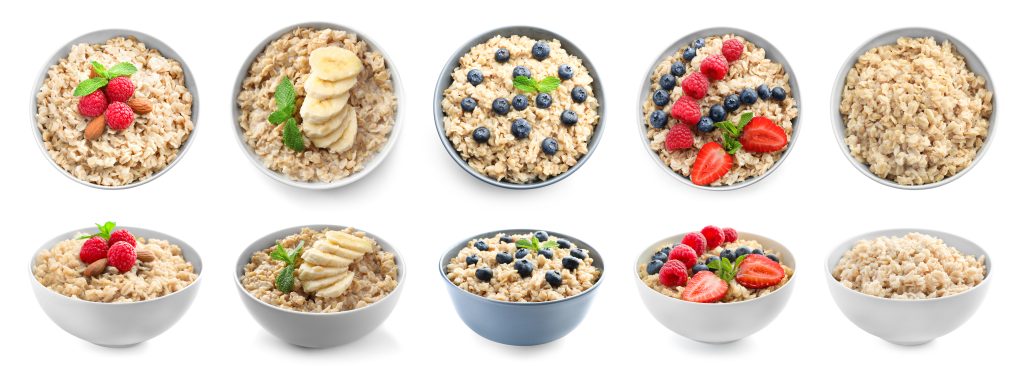
- Add fruits like bananas, apples, or berries to the oats while cooking, or as toppings afterward.
- You can also mix in nuts, seeds, or a drizzle of honey for a boost of protein and healthy fats.
Conclusion: Don’t Eat Raw Oats—Cook Them for Optimal Health
While raw oats are safe to eat, they are far less nutritious and harder to digest than their cooked counterparts. Consuming raw oats can lead to digestive discomfort and limit the absorption of vital nutrients. By cooking oats, you unlock their full health benefits—from better digestion to improved nutrient absorption and blood sugar regulation.
So, the next time you prepare your oats, take the extra step to cook them. Your body will thank you for it. Whether you’re enjoying a warm bowl of oatmeal or incorporating cooked oats into your baked goods, you’ll be fueling your body with easily digestible, nutrient-dense goodness. Enjoy oats the right way—comforting, nutritious, and full of benefits!