
Goal-Setting Strategies: SMART vs. GROW Model for Health Coaching
Hey there! It’s Preet, and today, I’m diving into two of the most popular goal-setting frameworks in health and wellness coaching: the SMART model and the GROW model. Both of these frameworks are powerful tools for helping you achieve your health goals, but each has its unique approach.
If you’re someone who struggles with turning your health and wellness dreams into achievable actions, you’re in the right place. Let’s break down these two methods and look at specific strategies for setting goals that will keep you motivated and on track.
- The SMART Method: Achieve Clarity and Focus
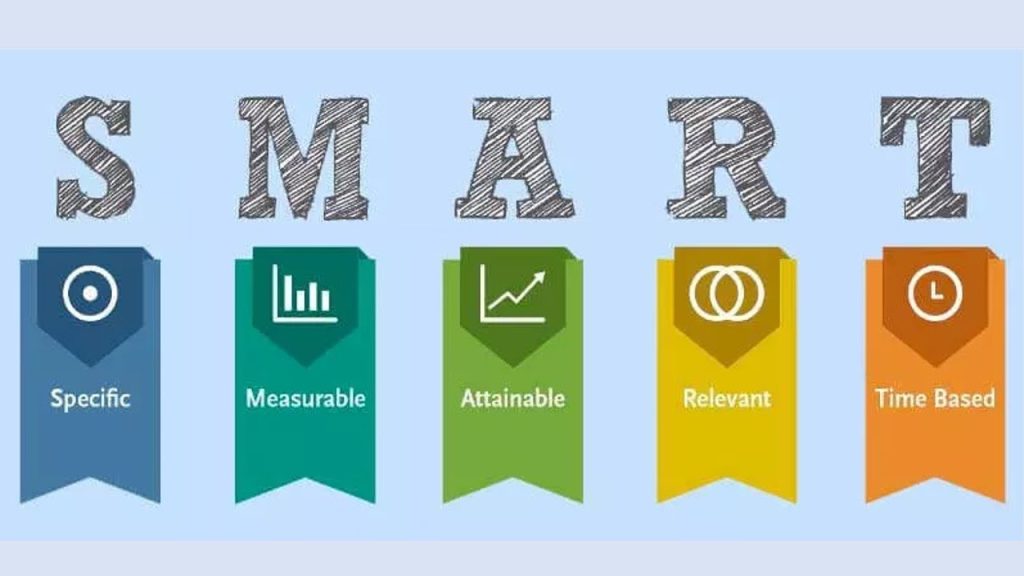
The SMART method is one of the most widely used goal-setting strategies, and for a good reason. It’s straightforward and helps you create goals that are Specific, Measurable, Achievable, Relevant, and Time-bound. This clarity and focus is essential when you’re working toward health goals, whether it’s losing weight, improving fitness, or building healthier eating habits.
Here’s how you can apply each element of the SMART model to your health goals:
- S – Specific: Make your goal clear and well-defined. Instead of a vague goal like “I want to get fit,” try something specific like “I want to work out for 30 minutes, four times a week.”
- M – Measurable: Find a way to measure your progress. Using numbers, like tracking your workout duration or calorie intake, can make it easier to see if you’re on track.
- A – Achievable: Set a goal that is realistic and within your capabilities. If you’re new to exercise, aiming for a 10-minute walk daily is more achievable than committing to an hour-long workout right away.
- R – Relevant: Ensure the goal is meaningful to you. If you’re focusing on improving your fitness, make sure it aligns with your values—such as better overall health or increased energy.
- T – Time-bound: Set a timeframe for achieving your goal. Instead of saying “I’ll exercise more,” set a time-bound goal like “I will exercise 4 times per week for the next month.”
Actionable Tip for SMART Goals: Write down your SMART goals and set up weekly check-ins to measure your progress. For example, “By the end of this month, I will have lost 4 pounds by exercising 4 times a week and tracking my calories.”
- The GROW Method: Unlock Your Potential and Overcome Obstacles
The GROW method is another excellent framework that emphasizes personal development and problem-solving, making it a great choice for health coaching. The acronym stands for Goal, Reality, Options, and Will. This method encourages you to reflect deeply on your current situation, explore options, and identify obstacles in your way.
Here’s a breakdown of how the GROW model works:
- G – Goal: Similar to SMART, define what you want to achieve. But this time, focus more on long-term growth. For example, “My goal is to lose 10 pounds in 3 months.”
- R – Reality: Take a look at where you are right now. What’s your current situation? What obstacles are standing in your way? Understanding your reality helps you set a more achievable plan.
- O – Options: What are the different ways you can achieve your goal? Brainstorm several approaches, such as joining a fitness class, meal prepping, or scheduling weekly check-ins with a coach.
- W – Will: Determine your commitment level. What actions will you take, and when? This step is all about setting your intention and creating a solid plan.
Actionable Tip for GROW Goals: Reflect on the “Reality” stage and identify the obstacles you face. Write down at least 3 options to overcome those barriers, then create a timeline for how you’ll start taking action immediately.
- Combining SMART and GROW: The Ultimate Goal-Setting Strategy
While both models are effective, you don’t have to choose just one! Combining the precision of SMART with the introspective nature of GROW can give you a comprehensive approach to goal setting. By using SMART for clear, measurable steps and GROW for understanding your internal motivations and obstacles, you can set and achieve your health goals more effectively.
Actionable Tip for Combining SMART & GROW: Start by setting a SMART goal to get clear on your objective (e.g., “I want to reduce my sugar intake to less than 25 grams a day for the next 4 weeks”). Then, use the GROW model to explore any obstacles or internal factors that might hinder your success. For instance, if you tend to eat sugary snacks when stressed, your “Reality” might be that you need stress-reducing techniques like meditation. From there, brainstorm solutions and develop a “Will” plan with steps like “I will meditate for 5 minutes every morning to reduce stress.”
Key Takeaways
- SMART Goals provide structure and clarity by focusing on making goals Specific, Measurable, Achievable, Relevant, and Time-bound.
- GROW Goals encourage deep reflection and action, helping you understand your Reality, explore Options, and commit to your Will to achieve success.
- Combining both strategies gives you the best of both worlds: clear steps to follow and insight into your internal motivations and obstacles.